
Start With The Occasion
A US birthday gift may lean into birthstone colors. A bridesmaid gift often needs a coordinated palette. A graduation gift can use school colors or a fresh neutral design for daily wear.

In the United States, jewelry is often chosen for birthdays, graduations, weddings, Mother's Day, anniversaries and everyday milestones. This guide helps you connect bead materials, birth months and cultural stories into a piece that feels personal and wearable.
A US birthday gift may lean into birthstone colors. A bridesmaid gift often needs a coordinated palette. A graduation gift can use school colors or a fresh neutral design for daily wear.
Minimal dressers usually prefer pearl, clear quartz, black onyx or soft jade tones. Romantic styles often work well with rose quartz, moonstone-like tones and gentle crystal color.
Myths and bead meanings make the gift note richer, but they should stay symbolic. A good bracelet still needs the right size, color balance and comfort.
Birthstone jewelry is familiar to American shoppers because it appears in birthday gifts, family jewelry, class rings and holiday shopping. You do not need to use a literal precious gemstone every time. A bracelet can borrow the color language: garnet red for January, amethyst purple for February, pearl white for June or turquoise blue for December.
For Mother's Day and anniversary gifts, many buyers prefer softer gemstones such as pearl, rose quartz, jade-green beads or clear quartz. For graduation, friendship and everyday bracelets, stronger contrast can work better: tiger eye, black onyx, citrine, aquamarine, green jade or school-color combinations.
The strongest design usually has one main idea. Pick one anchor: a birth month, a memory, a color, a myth or a material texture. Then add two or three supporting beads so the bracelet feels intentional instead of crowded.
Use the month as a color shortcut, then decide whether the bracelet should feel soft, bold, classic or everyday. The exact stone matters less than a color family the wearer will actually enjoy.
Deep red beads feel classic, loyal and winter-ready.
A polished purple anchor for February birthdays.
Soft blue and watery clear tones feel fresh.
Clear quartz and crystal-like beads create a clean April cue.
Green jade-style beads give May gifts depth and calm color.
Pearl, moonstone-like tones and soft luster fit June well.
Use red accents for a warm, bold July birthday bracelet.
Fresh olive, lime or light green beads feel summery.
Blue beads add a crisp September signature.
Iridescent, pink or multicolor accents suit October gifts.
Citrine-yellow, honey and topaz-like tones feel warm.
Blue-green beads create an easy December story.
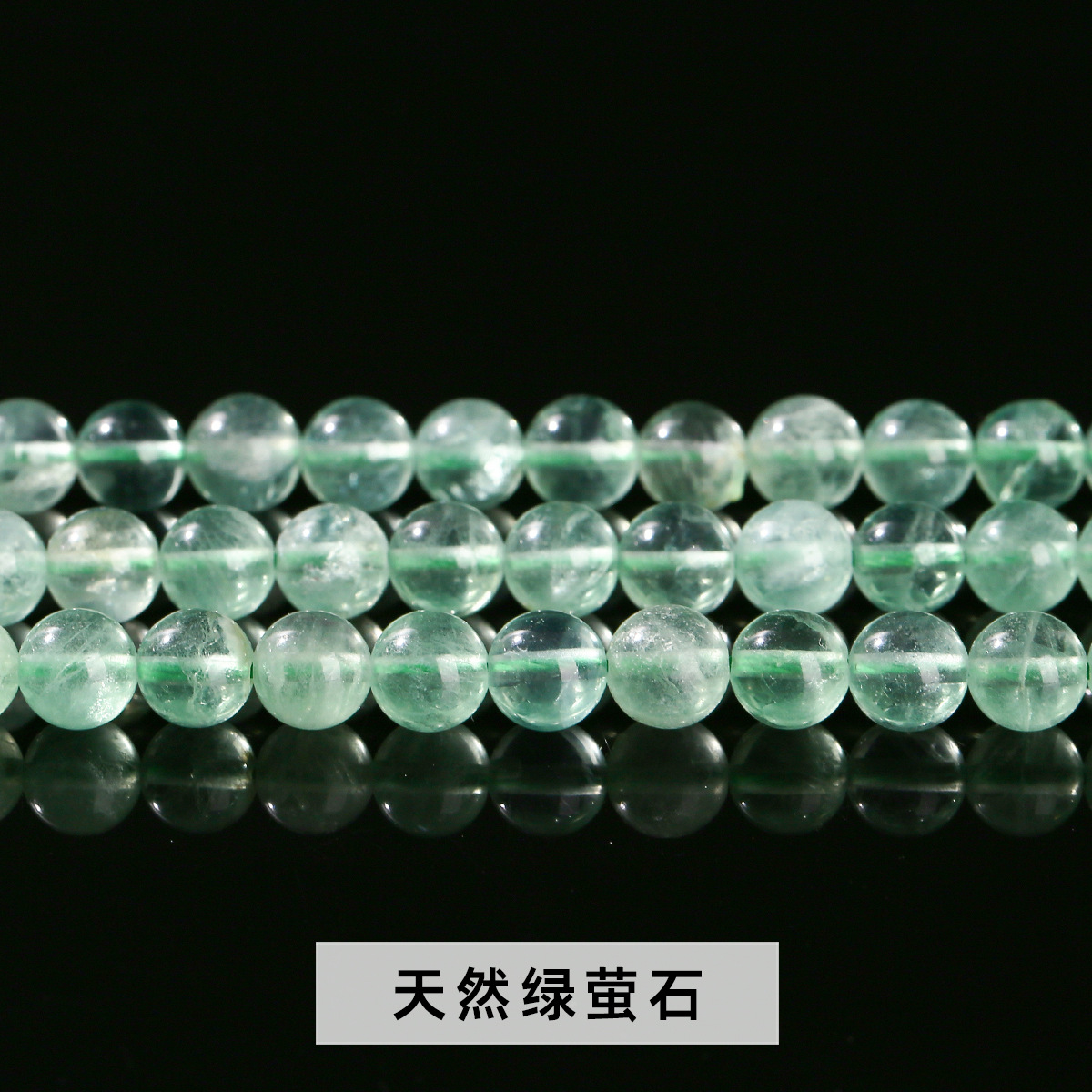
Gemstone materials are the part shoppers can see and feel first. A good bracelet uses texture deliberately: pearl for luster, crystal for light, jade for green depth, onyx for contrast and tiger eye for natural banding.
Purple looks thoughtful, refined and easy to personalize for February or focus-themed gifts.
Soft pink supports romantic, friendship, bridesmaid and Mother's Day stories.
Sunny yellow tones feel bright, celebratory and useful for November color language.
Green beads feel classic, grounded and especially strong for cross-cultural keepsakes.
Pearl reads elegant in American bridal, anniversary, June birthday and family jewelry contexts.
Black onyx and tiger eye cues give everyday gemstone bracelets stronger contrast.
Soft blue gemstones feel fresh, calm and easy to pair with pearl or clear quartz.
Clear beads work as a neutral bridge when the main material is colorful or symbolic.
A myth does not need to be treated as a claim. It can be a short, graceful story inside a gift card, a product description or a material explanation.
Amethyst is often connected with ancient Greek stories around moderation and clarity. For a modern bracelet, that becomes a purple story about thoughtfulness and self-command.
Pearls are tied to the sea, moonlight and classical beauty. That makes them a natural fit for weddings, anniversaries and June birthday gifts.
Jade carries deep meaning in East Asian traditions, and in the US it can add a respectful heritage note to a green, refined bracelet.
Citrine is often described in folklore as a bright, optimistic stone. In design terms, it adds warmth, celebration and sunny color.
Choose the birthstone color, then soften it with pearl, clear quartz or a gentler gemstone shade.
Use school colors, one durable everyday material and a clean pattern the graduate can wear often.
Start with the wedding palette. Pearl, rose quartz and clear accents are reliable soft choices.
Combine pearl, rose quartz, jade-green beads or clear quartz for a warm family-centered piece.
Try tiger eye, black onyx or clear quartz with fewer colors and a steady rhythm.
Use one main material, one accent color and consistent bead sizing for a clean look.
Pick the occasion, choose the lead material, then use the builder to balance color, texture and size. If you are not sure where to start, choose a birth month color and add one neutral bead family.
Start with personal style, then use the birthstone color as the meaningful accent. That makes the jewelry easier to wear after the birthday has passed.
Use the birthstone color family. Clear beads can stand in for April, sapphire-blue tones can support September, and citrine-yellow beads can support November.
No. Myths, folklore and crystal meanings are storytelling cues for gift notes and design inspiration, not promises of a result.
Birthstone-color bracelets are easiest for birthdays. Pearl or rose quartz works well for bridesmaids and Mother's Day. Tiger eye, black onyx and clear quartz are strong everyday gemstone choices.
Yes, but keep one lead idea. Too many competing colors and meanings can make a custom bracelet feel less intentional.